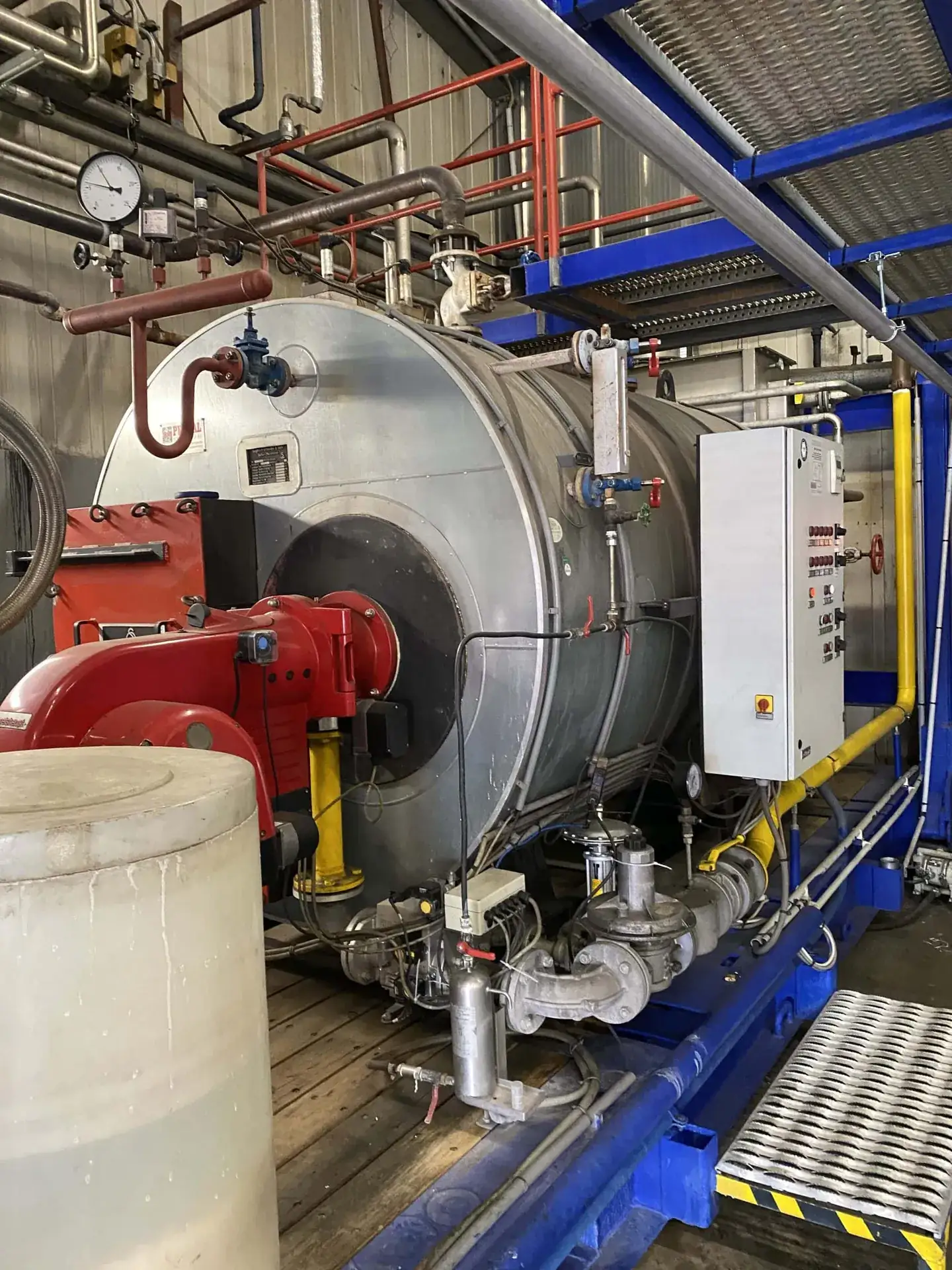
The first task was to record various values using appropriate sensors: water temperature, water pressure, required washing time, required quantities of water, type and quantity of cleaning agents. In order to find the appropriate sensors for this application, the local conditions were first analyzed, possible interfering factors removed and potential data acquisition sources evaluated.

Revolution Pi modules from KUNBUS were used for further processing of the data. The Revolution Pi is an industrial-grade, explosion-proof open source IPC based on the Raspberry Pi. Three Revolution Pi Connect+, three Revolution Pi DI and one Revolution Pi AIO were used. The collected data was thus forwarded to a cloud. To realize this step, the Revolution Pi Connect+ served as the IoT gateway. The solution of collecting data in the cloud was a prerequisite for the next steps of the project: the evaluation of the data and the development of an app for our customer.
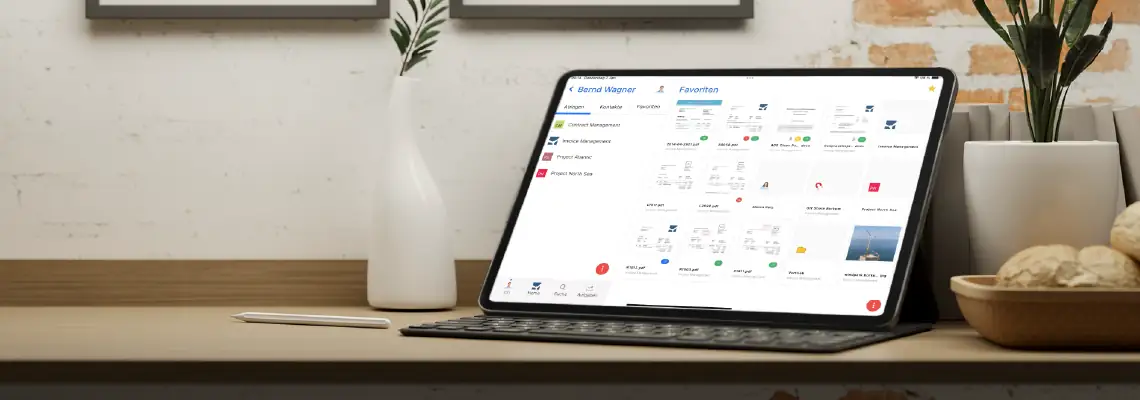
The algorithm we developed and implemented ensures that the app always selects the most favorable washing program for a particular object, adapting the respective washing program to external conditions such as temperature and humidity. Data can be accessed in the app and additional comments can be entered directly by employees on site.
The project manager now knows at a glance how much water was used per container, how much energy was expended, or how much soap was used. The entire know-how of the employees was digitally mapped in the app. As a result, the workflow can be made more efficient.
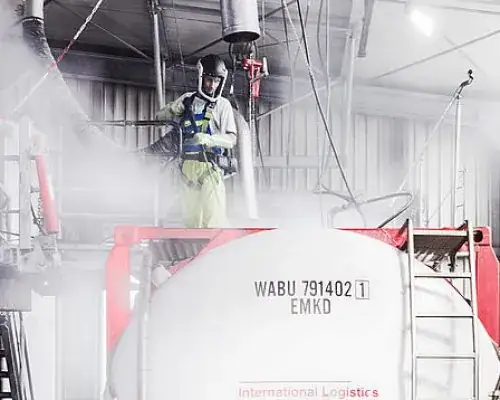
Based on our experience as a system integrator, the solution was enhanced with useful functionalities. As a result, it was possible not only to collect the relevant data, but also to transform the existing processes through erminas into a more visualized and interactive work instruction. With the help of the app, the washing process was optimized and translated into a digital work instruction. In the medium term, a research institute will be entrusted with the task of further optimizing the washing programs. This can save time, money and raw materials.
Accurate billing of resource consumption and working hours also offers the potential for new business models: pay-per-use models, for example.